
Lung Volume Recruitment Strategies
Lung Volume Recruitment Strategies
This course includes
The instructors
Overview
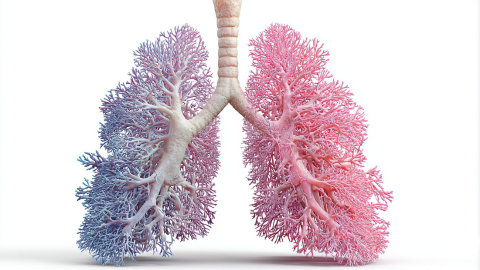
This course explores the methods currently used for lung volume recruitment (LVR) in physiotherapy practice across Canada. It reviews the research underpinning each technique, discusses the pros and cons of these methods, and examines related practices such as ventilator hyperinflation. By understanding how different strategies influence lung mechanics and gas exchange, learners can make more informed clinical decisions for patients requiring advanced respiratory support.
Learning Objectives
-
Identify Available Treatment Methods
Recognize the range of methods used to improve lung volume recruitment in clinical practice. -
Summarize Advantages and Risks
Understand the benefits and potential risks associated with each LVR approach. -
Apply Clinical Reasoning
Use assessment and clinical reasoning skills to determine the most appropriate lung volume recruitment method for individual patients.
Audience
This course is designed for rehabilitation professionals engaged in respiratory care and advanced cardiopulmonary practice, including:
-
Physiotherapists and physiotherapy assistants
-
Cardiorespiratory clinicians
-
ICU and acute care rehabilitation teams
-
Allied health professionals working with complex respiratory patients
Relevance to Practice
Lung volume recruitment strategies are essential tools in cardiorespiratory physiotherapy, particularly in patients with impaired lung volumes due to neuromuscular weakness, prolonged mechanical ventilation, or acute respiratory compromise. Understanding the clinical reasoning around when and how to use different recruitment methods enhances safety and efficacy in advanced respiratory care.
About the Presenter
Rosalyn Jones, PT – Rosalyn is the Physiotherapy Clinical Resource Therapist for Cardiorespiratory and Chronic Diseases with Vancouver Coastal Health in British Columbia, and she lectures in critical care modules for the School of Physical Therapy at the University of British Columbia. Her international clinical background spans work in New Zealand, the United Kingdom, and Canada, with a focus on improving the health and functional outcomes of critically ill patients.
Accreditation & CEUs
This course is offered by the Canadian Physiotherapy Association, Cardiorespiratory Division and may count toward continuing education requirements, depending on your professional jurisdiction.
The instructors

Material included in this course
-
Course Materials
-
Welcome and Slides
-
Risks
-
Acute vs. Prophylactic Use of LVR
-
Mechanical Ventilation
-
Ambu Bags
-
Manual Hyperinflation
-
Wrapping Up
-
Feedback
I'm a member of the Canadian Physiotherapy Association (CPA). What are the discounts available to CPA Members on Embodia?
As part of our partnership with the CPA, we offer its members discounts on courses and Embodia Memberships. Learn more about the partnership on this page.
In order for the discount to be applied, you first need to authenticate your CPA membership. This is an important step as this is how Embodia 'knows' that you are a CPA member.
To authenticate as a CPA member, please visit this page on the CPA portal.
Please note that your email address on your CPA account must match your email address on Embodia. If needed, you can update your information on Embodia as outlined in this guide.
Is a certificate of completion included with this course?
Once you have completed the course, a certificate of completion (including learning hours and course information) will be generated. You can download this certificate at any time. To learn more about course certificates on Embodia please visit this guide.
This can be used for continuing education credits, depending on your professional college or association. If this course has been approved for CEUs in specific jurisdictions, it will be noted on the course page and CEU information may be added to your course certificate. Please read this guide for more information.